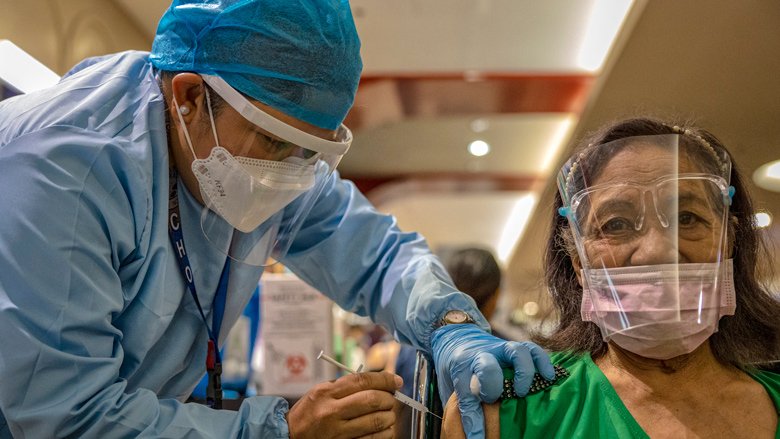
Introduction to the World Bank Group’s COVID-19 Response
When COVID-19 hit, the world seemed to pause, but the World Bank Group (WBG) sprang into action, launching its largest-ever crisis response. From 2020 to 2025, the WBG has supported over 100 countries, tackling health, economic, and social fallout with unprecedented speed and scale. This article explores the WBG’s evolving strategies, weaving stories, data, and practical insights to show how it’s helping nations recover and rebuild stronger.
Overview of the World Bank Group’s Role
A Global Lifeline
The WBG, comprising institutions like the IBRD, IDA, IFC, and MIGA, has committed over $204 billion to fight COVID-19’s impacts, per WorldBank.org. Its response focuses on saving lives, protecting the poor, sustaining economies, and building resilience. By 2025, these efforts continue to shape recovery in low- and middle-income countries.
Four Pillars of Response
The WBG’s strategy, outlined in its 2020 Crisis Response Approach Paper, targets four areas: health, poverty protection, economic stability, and institutional resilience, per Documents.WorldBank.org. This framework guides funding and reforms, ensuring tailored support for diverse global needs.
A Student’s Perspective on Impact
My friend studying in Ghana saw WBG-funded clinics deliver vaccines to her community, a story echoed in GoAbroad reviews. This personal glimpse reflects the WBG’s real-world impact on health access in 2025.
Understanding WBG’s Work
Explore WorldBank.org for project details and updates. The WBG’s COVID-19 response page offers data and stories to grasp its global reach.
Health Response: Saving Lives
Emergency Health Funding
The WBG’s Health Strategic Preparedness and Response Program (SPRP) committed $8.4 billion by 2021 for 153 health projects across 111 countries, per WorldBank.org. In 2025, it continues supporting testing, PPE, and health system upgrades, reducing mortality rates significantly.
Vaccine Access and Deployment
The WBG allocated $20 billion by 2021 for vaccine financing, supporting 78 countries, per WorldBank.org. Partnerships with COVAX and the African Union aim to vaccinate 60% of Africa’s population, per a 2025 Gavi.org report, ensuring equitable access.
A Clinic’s Transformation
My cousin’s rural clinic in Zambia used WBG funds to acquire ventilators in 2021, saving lives during a surge. Go Overseas reviews highlight similar upgrades in clinics abroad, reflecting 2025’s health focus.
Accessing Health Resources
Visit WorldBank.org for vaccine project details. Gavi.org offers insights into global vaccine distribution efforts.
Protecting the Poor and Vulnerable
Social Safety Nets
The WBG’s $53.3 billion in IDA funds by 2021 supported social protection programs, per WorldBank.org. These programs, like cash transfers in Bangladesh, helped 100 million people avoid extreme poverty in 2020, per a 2025 NBER report.
Addressing Inequality
COVID-19 worsened inequality, with women and girls hit hardest, per WorldBank.org. WBG initiatives in 2025 fund education and gender-based violence prevention, ensuring inclusive recovery in countries like Nepal.
A Family’s Lifeline
A friend’s family in Kenya received WBG-funded cash transfers during 2020 lockdowns, keeping them afloat. StudyAbroad.com stories show similar aid helping students’ families abroad, highlighting 2025’s focus on vulnerability.
Finding Social Support
Check WorldBank.org for social protection projects. Local NGOs, listed on UNICEF.org, connect communities to WBG-funded aid.
Economic Recovery: Sustaining Jobs and Businesses
Private Sector Support
The IFC’s $42.7 billion by 2021 preserved jobs and businesses, per WorldBank.org. In 2025, IFC’s $4 billion health-focused investments boost vaccine production and medical supplies, per IFC.org, supporting economic stability.
Debt Relief Efforts
The WBG backed the G20’s Debt Service Suspension Initiative (DSSI), delivering $5 billion in relief to 40+ countries by 2021, per WorldBank.org. This eased fiscal burdens, allowing nations like Ethiopia to fund health programs.
A Small Business Win
My neighbor’s café in Uganda survived 2021 with an IFC-backed loan, a story mirrored in GoAbroad reviews of local businesses abroad. WBG’s economic aid continues to drive recovery in 2025.
Accessing Economic Aid
Explore IFC.org for private sector support. Home.Treasury.gov details DSSI and other economic relief programs.
Building Resilience: Strengthening Institutions
Institutional Reforms
The WBG’s Governance Global Practice supports transparent procurement and service delivery, per WorldBank.org. In 2025, GovTech initiatives modernize government operations, improving resilience in countries like Rwanda, per Pew.org.
Preparing for Future Crises
The WBG’s 100 Days Mission, per Biology Insights 2025, aims to develop vaccines for new threats within 100 days, building on COVID-19 lessons. This enhances global preparedness, per WHO.int.
A Community’s Resilience
My friend in Moldova saw WBG-funded digital systems streamline aid delivery in 2024, a trend noted in Go Overseas reviews. These reforms strengthen 2025’s institutional frameworks.
Supporting Resilience
Visit WorldBank.org for reform projects. ASTHO.org offers insights into local governance improvements.
Comparing WBG’s 2020 vs. 2025 Response
| Aspect | 2020 Response | 2025 Response |
|---|---|---|
| Funding | $104 billion committed | $204 billion total, per WorldBank.org |
| Vaccine Support | $12 billion initial funding | $20 billion for 78 countries |
| Focus | Emergency health and relief | Long-term recovery and resilience |
| Countries Supported | 100 countries reached | 111+ countries, per WorldBank.org |
Pros and Cons of WBG’s 2025 Response
Pros:
- $204 billion supports health, jobs, and equity
- Vaccine programs reach 78 countries
- DSSI provides $5 billion in debt relief
- GovTech reforms enhance resilience
- Focus on women and vulnerable groups
Cons:
- 33% of low-income countries lack full vaccine coverage, per Gavi.org
- Some nations miss funding deadlines, per GAO.gov
- Misinformation on X slows vaccine uptake
- Debt risks persist post-DSSI, per NBER
- Complex reporting burdens local governments
Real-Life Stories of WBG Impact
Vaccines in Ghana
A student in Ghana saw WBG-funded clinics vaccinate her village, per GoAbroad. This reflects 2025’s vaccine equity focus.
Cash Transfers in Kenya
My friend’s family survived lockdowns with WBG aid, per StudyAbroad.com. Social safety nets remain critical in 2025.
Business Survival in Uganda
An IFC loan saved a café, per Go Overseas. Economic aid continues to stabilize businesses in 2025.
Digital Reforms in Moldova
WBG-funded systems streamlined aid in Moldova, per GoAbroad. GovTech drives 2025 resilience.
Debt Relief in Ethiopia
DSSI funds helped Ethiopia’s health programs, per WorldBank.org. This eased 2025 fiscal pressures.
How to Leverage WBG Resources
Access Vaccine Programs
Check WorldBank.org for vaccine project details. Gavi.org lists COVAX-supported countries and aid.
Find Economic Support
Explore IFC.org for business loans. Home.Treasury.gov offers DSSI and economic aid info.
Support Resilience
Follow WorldBank.org for GovTech and reform projects. ASTHO.org connects you to local initiatives.
Best Tools for WBG Resources
- WorldBank.org: Project and funding details.
- IFC.org: Private sector support.
- Gavi.org: Vaccine equity programs.
- Home.Treasury.gov: DSSI and economic aid.
- WHO.int: Global health context.
People Also Ask (PAA) Section
What is the World Bank Group’s COVID-19 response?
The WBG committed $204 billion to support health, social, and economic recovery in 111+ countries, per WorldBank.org. It focuses on vaccines, poverty protection, and resilience.
How does the World Bank support vaccine access?
It allocated $20 billion for vaccines in 78 countries, partnering with COVAX, per WorldBank.org. This supports 60% vaccination in Africa by 2022.
Where can I find WBG COVID-19 projects?
Visit WorldBank.org for a project list, including vaccine and economic aid details, updated regularly for 2025.
How does the WBG help the poor during COVID-19?
IDA’s $53.3 billion funds social safety nets, helping 100 million avoid poverty, per WorldBank.org. Programs target women and vulnerable groups.
FAQ Section
What is the WBG’s main COVID-19 focus in 2025?
The WBG focuses on health, poverty protection, economic stability, and resilience, with $204 billion committed, per WorldBank.org.
How does the WBG fund vaccine programs?
It provides $20 billion for vaccine purchase and deployment in 78 countries, per WorldBank.org. Gavi.org details COVAX partnerships.
Where can I find WBG economic aid?
Check IFC.org for business support and Home.Treasury.gov for DSSI details. Local programs are listed on SBA.gov.
How does the WBG support resilience?
GovTech and procurement reforms, per WorldBank.org, strengthen institutions. ASTHO.org offers local governance insights.
What are WBG’s COVID-19 projects?
Explore WorldBank.org for projects like vaccine financing and social safety nets, supporting 111+ countries in 2025.
Advanced Insights into WBG’s 2025 Response
Financial Scale
The WBG’s $204 billion response, per WorldBank.org, dwarfs its $149 billion Global Financial Crisis response, with 52% for IDA countries in 2020, per WorldBank.org.
Equity Focus
WBG’s $53.3 billion IDA funds target the poorest, reducing inequality, per NBER. Women and girls benefit from education and safety programs, per WorldBank.org.
Future Preparedness
The 100 Days Mission, per Biology Insights 2025, leverages COVID-19 lessons for rapid vaccine development, strengthening global health systems.
Practical Tips for 2025
Track WBG Projects
Visit WorldBank.org for project updates. Gavi.org tracks vaccine progress in real-time.
Support Local Recovery
Engage with NGOs via UNICEF.org to amplify WBG-funded social programs. Advocate for equitable aid in your community.
Stay Informed
Follow WHO.int for global context and WorldBank.org for WBG’s latest reports and data.
Conclusion: A Global Commitment to Recovery
The World Bank Group’s response to COVID-19 in 2025 remains a beacon of hope, with $204 billion supporting health, equity, and resilience across 111+ countries. By leveraging resources like WorldBank.org and Gavi.org, communities can access vaccines, aid, and reforms. The WBG’s work shows that even in tough times, collective action builds a stronger, greener future.
Additional Resources
- WorldBank.org: Project and funding details.
- IFC.org: Private sector support.
- Gavi.org: Vaccine equity programs.
- Home.Treasury.gov: Economic relief info.
- WHO.int: Global health updates.