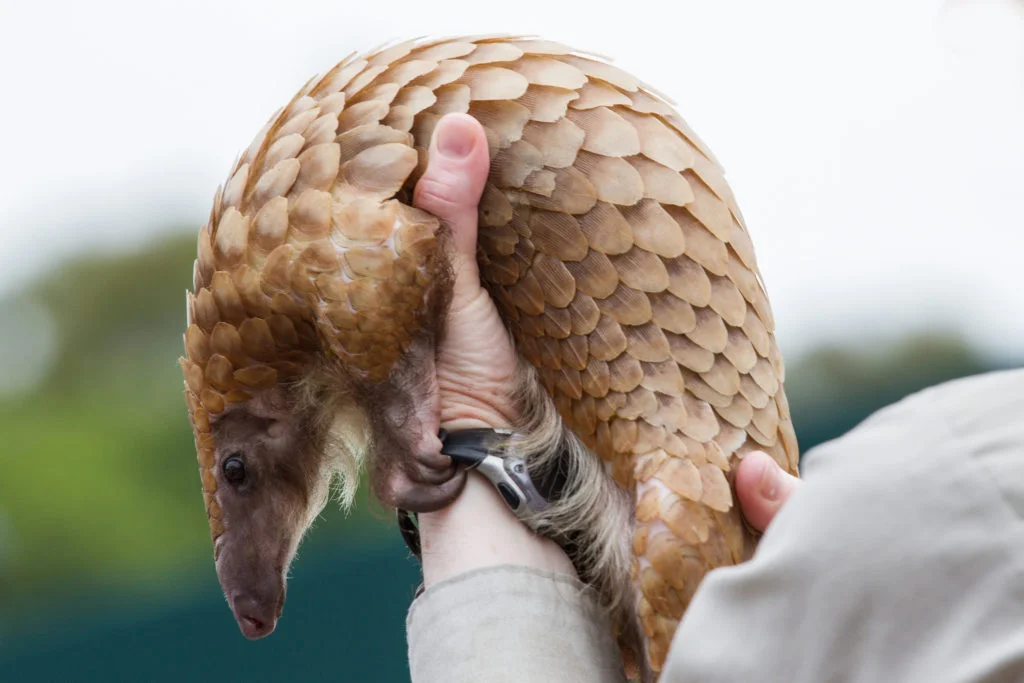
Introduction to Zoonotic Diseases
Ever scratched your head wondering why a simple scratch from a stray cat or a mosquito bite can send you to the hospital? Infections from animals, known as zoonotic diseases, have a knack for causing havoc in humans, often with surprising severity. This article dives into why these animal-borne illnesses are so dangerous, weaving together science, history, and practical tips to keep you safe.
What Are Zoonotic Diseases?
Defining Zoonotic Diseases
Zoonotic diseases are infections that jump from animals to humans, often through bites, scratches, or contaminated food. Think rabies from a dog bite or salmonella from undercooked chicken. According to the CDC, about 60% of known infectious diseases in humans can be spread from animals.
Common Sources of Zoonotic Infections
Animals, from household pets to wild creatures, can carry pathogens like bacteria, viruses, and parasites. Mosquitoes, ticks, and even your beloved dog can transmit diseases. The World Health Organization notes that over 1 billion cases of zoonotic illnesses occur annually.
Historical Impact of Zoonotic Diseases
Zoonotic diseases have shaped human history. The Black Death, caused by bacteria from fleas on rats, killed millions in the 14th century. Understanding their historical toll helps us grasp why these infections remain a modern threat.
Why Are Animal-Borne Infections So Dangerous?
Novelty to the Human Immune System
Our immune systems are like seasoned soldiers, but they struggle with unfamiliar foes. Zoonotic pathogens, evolved in animals, catch our bodies off guard. A 2019 Nature study explains that these novel pathogens bypass our immune defenses, leading to severe illness.
Rapid Mutation Rates
Animal-borne viruses, like influenza or coronaviruses, mutate quickly. This rapid evolution, noted in Science (2020), makes it hard for our immune systems to keep up. It’s why diseases like bird flu can escalate from mild to deadly in a flash.
Cross-Species Transmission Challenges
When pathogens jump species, they can become more virulent. For example, HIV, which likely originated in primates, became a global pandemic after crossing to humans. This adaptability makes zoonotic diseases unpredictable and dangerous.
Major Types of Zoonotic Pathogens
Bacterial Infections
Bacteria like Salmonella and Campylobacter thrive in animals and can infect humans through contaminated food or water. These infections cause severe diarrhea and, in rare cases, life-threatening complications. The CDC reports 1.35 million Salmonella cases annually in the U.S. alone.
Viral Infections
Viruses like rabies or Ebola are notorious zoonotic threats. Rabies, transmitted through animal bites, is nearly 100% fatal once symptoms appear. A 2018 Lancet study highlights how viral zoonoses often spread rapidly due to their high infectivity.
Parasitic Infections
Parasites, such as those causing toxoplasmosis, lurk in animals like cats. These can lead to flu-like symptoms or severe complications, especially in pregnant women. The WHO estimates that 10% of the global population is infected with Toxoplasma gondii.
How Zoonotic Diseases Spread
Direct Contact
Touching an infected animal, like a dog with rabies or a bird with avian flu, can transfer pathogens. Bites, scratches, or even petting can be risky. This direct route is why proper animal handling is crucial.
Indirect Contact
Contaminated surfaces, like a cutting board used for raw chicken, spread zoonotic bacteria. A 2021 Journal of Food Protection study found that improper kitchen hygiene causes thousands of Salmonella cases yearly. Cleaning is your first line of defense.
Vector-Borne Transmission
Vectors like mosquitoes and ticks are zoonotic super-spreaders. Lyme disease, carried by ticks, affects 476,000 Americans annually, per CDC estimates. These tiny critters amplify the danger by bridging animals and humans.
Why Zoonotic Diseases Are Hard to Control
Wide Range of Animal Hosts
Zoonotic pathogens thrive in diverse animals, from bats to poultry. This variety, noted in Emerging Infectious Diseases (2022), makes tracking and controlling outbreaks tricky. A single bat colony can harbor multiple deadly viruses.
Environmental and Human Factors
Deforestation and urbanization bring humans closer to wildlife, increasing zoonotic risks. A 2020 Nature Communications study links habitat loss to higher disease transmission. Our modern lifestyles are fanning the flames of these outbreaks.
Antibiotic Resistance
Bacterial zoonoses, like Campylobacter, are becoming harder to treat due to antibiotic resistance. The WHO warns that resistant strains, often spread through livestock, complicate treatment, turning minor infections into major threats.
Comparing Zoonotic vs. Non-Zoonotic Diseases
| Aspect | Zoonotic Diseases | Non-Zoonotic Diseases |
|---|---|---|
| Origin | Animals (e.g., bats, dogs) | Human-to-human or environmental |
| Immune Response | Often novel, harder to fight | More familiar to immune system |
| Transmission | Direct, indirect, or vector-borne | Primarily human contact or airborne |
| Control Difficulty | High; diverse hosts and environments | Moderate; human-focused interventions |
Pros and Cons of Animal Contact
Pros:
- Companionship and mental health benefits
- Animals aid in agriculture and pest control
- Pets can enhance social bonds
- Exposure may boost immunity in some cases
Cons:
- Risk of severe zoonotic infections
- Emotional and financial costs of treatment
- Challenges in outbreak prevention
- Potential for antibiotic-resistant infections
Real-Life Examples of Zoonotic Dangers
The COVID-19 Pandemic
COVID-19, likely originating from bats, shows how zoonotic diseases can disrupt the world. By 2025, it’s caused millions of deaths, per WHO data. Its rapid spread underscores the danger of animal-human pathogen jumps.
The Rabies Threat
Rabies, transmitted through dog bites, kills about 59,000 people annually, mostly in developing nations, according to the WHO. Its near-100% fatality rate once symptoms appear makes it a chilling example of zoonotic danger.
Lyme Disease Surge
Lyme disease, spread by ticks, has spiked in recent years due to climate change expanding tick habitats. A 2023 CDC report notes its growing prevalence, with long-term effects like joint pain haunting untreated cases.
How to Protect Yourself from Zoonotic Diseases
Safe Animal Handling
Always wash your hands after touching animals or their environments. Use gloves when handling strays or wildlife, and vaccinate pets against diseases like rabies. These simple steps, backed by the CDC, reduce infection risks.
Food Safety Practices
Cook meat thoroughly and avoid cross-contamination in the kitchen. A 2022 Journal of Food Safety study emphasizes that proper food handling cuts Salmonella and E. coli risks by up to 90%. Invest in a good meat thermometer.
Vector Control Measures
Use insect repellent and check for ticks after outdoor activities. The EPA recommends DEET-based products for mosquito protection. Keeping your yard tidy reduces habitats for vectors like ticks and fleas.
Best Tools for Zoonotic Disease Prevention
- CDC Zoonotic Disease Resources: Access guidelines at cdc.gov/zoonotic.
- PetMD: Get vet-approved pet health tips at petmd.com.
- Thermapen One: Ensure safe cooking with a reliable thermometer from thermapen.com.
- ** Sawyer Insect Repellent**: Protect against ticks and mosquitoes via sawyer.com.
People Also Ask (PAA) Section
What makes zoonotic diseases so dangerous?
Zoonotic diseases are dangerous because they’re novel to human immune systems, mutate rapidly, and can spread through multiple routes like bites or vectors. This unpredictability, noted in Nature (2019), leads to severe outcomes.
How common are zoonotic diseases?
Zoonotic diseases are surprisingly common, with the CDC estimating that 60% of infectious diseases in humans come from animals. Over 1 billion cases occur globally each year, ranging from mild to life-threatening.
Can pets transmit diseases to humans?
Yes, pets can transmit diseases like rabies, Salmonella, or ringworm. Regular vet checkups and good hygiene, as recommended by the ASPCA, minimize these risks while keeping your pet healthy.
How can I prevent zoonotic infections?
Prevent zoonotic infections by washing hands after animal contact, cooking food thoroughly, and using insect repellent. The WHO stresses that vaccination and environmental management are key to reducing risks.
FAQ Section
Why do zoonotic diseases spread so easily?
Zoonotic diseases spread easily due to diverse animal hosts, human-animal proximity, and multiple transmission routes like bites or vectors. A 2020 Nature Communications study highlights how environmental changes amplify these risks.
Are all animal infections dangerous to humans?
Not all animal infections are dangerous, but many, like rabies or Salmonella, pose serious risks due to their novelty and virulence. Regular pet care and hygiene significantly reduce the threat, per CDC guidelines.
How do zoonotic diseases affect global health?
Zoonotic diseases cause millions of illnesses and deaths annually, with pandemics like COVID-19 showing their global impact. The WHO notes that they strain healthcare systems and economies, especially in developing regions.
What are the most dangerous zoonotic diseases?
Rabies, Ebola, and avian influenza rank among the most dangerous due to high fatality rates and rapid spread. The Lancet (2018) emphasizes their potential to cause widespread harm if uncontrolled.
Where can I learn more about zoonotic disease prevention?
Visit cdc.gov/zoonotic for detailed guidelines or who.int for global health resources. Local health departments also offer region-specific advice.
Advanced Insights into Zoonotic Risks
Evolutionary Mismatch
Our immune systems evolved to fight familiar pathogens, not animal-borne ones. This mismatch, discussed in Evolutionary Medicine (2021), explains why zoonotic diseases hit us hard, as our bodies struggle to adapt.
Climate Change and Zoonotic Spread
Climate change expands the range of vectors like mosquitoes, increasing zoonotic disease risks. A 2023 Nature Climate Change study links warming temperatures to higher Lyme disease and dengue cases.
One Health Approach
The One Health approach, endorsed by the WHO, integrates human, animal, and environmental health to combat zoonotic diseases. This holistic strategy mirrors how our ancestors managed animal interactions for survival.
Practical Tips for Staying Safe
Regular Pet Vaccinations
Keep your pets’ vaccinations up to date, especially for rabies. The ASPCA recommends annual vet visits to catch potential zoonotic risks early, protecting both you and your furry friend.
Environmental Awareness
Avoid areas with high vector activity, like tall grass or stagnant water. The EPA suggests regular yard maintenance and mosquito traps to reduce risks, especially in warmer months.
Educating Your Community
Spread awareness about zoonotic diseases through local groups or social media. Sharing resources from cdc.gov or hosting pet care workshops can empower others to stay safe.
Conclusion: Navigating the Zoonotic Threat
Animal-borne infections are dangerous because they catch our immune systems off guard, spread easily, and evolve quickly. From rabies to COVID-19, these diseases remind us of our deep connection to the animal world—and the risks that come with it. By practicing good hygiene, staying informed, and supporting global health efforts, we can enjoy the benefits of animals while minimizing their dangers. So, next time you cuddle your pet, wash your hands—and maybe give them an extra treat for being worth the risk.
Additional Resources
- CDC Zoonotic Diseases: Comprehensive prevention guides.
- WHO Zoonotic Information: Global health insights and updates.
- ASPCA: Pet care and zoonotic disease prevention tips.
- National Geographic: Explore the history of zoonotic diseases.