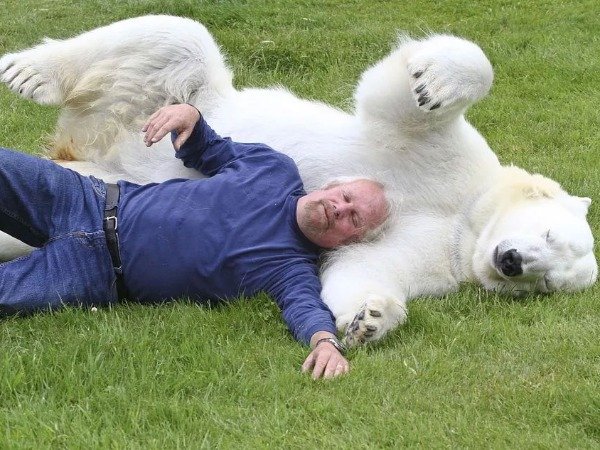
Introduction to the Human-Animal Friendship
Have you ever felt your heart skip a beat when your dog greets you with a wagging tail or your cat curls up in your lap? The friendship between humans and animals is a timeless, profound connection that transcends language and culture. This article explores the science, history, and heartwarming stories behind this unique bond, offering insights and practical ways to nurture it.
The Roots of Human-Animal Friendship
Evolutionary Beginnings
Our friendship with animals began thousands of years ago when early humans and wolves formed alliances for survival. Archaeological evidence from sites like Bonn-Oberkassel, dating back 14,000 years, shows dogs buried alongside humans, hinting at early companionship. This mutual trust shaped both species, laying the foundation for friendship.
The Role of Domestication
Domestication turned wild animals into loyal companions. Dogs, domesticated around 15,000 years ago, became hunting partners, while cats, tamed around 9,000 years ago in the Near East, protected grain stores. This partnership, noted in Nature (2017), fostered emotional bonds that persist today.
Cultural Significance of Animal Friends
Across cultures, animals have been revered as companions and symbols. In ancient Egypt, cats were sacred, while in Native American traditions, horses represented strength. These cultural ties, seen in art and stories, highlight the universal value of animal friendship.
Why Humans Form Friendships with Animals
The Science of Bonding
Petting a dog or cat releases oxytocin, the “love hormone,” in both humans and animals. A 2015 Science study found that mutual gazing between dogs and owners boosts oxytocin levels, mimicking human parent-child bonds. This chemical connection makes animals feel like true friends.
Emotional Support and Companionship
Animals offer unconditional love, filling emotional gaps in our lives. A 2019 Anthrozoös study showed that pet owners report lower loneliness levels than non-owners. Whether it’s a parrot chirping or a rabbit nuzzling, animals provide comfort without judgment.
Nonverbal Communication
Animals communicate through body language, and humans who bond with them become adept at reading these cues. A slow blink from a cat or a horse’s relaxed ears signals trust. This skill, noted in Journal of Nonverbal Behavior (2020), strengthens our connection with animals.
Traits of Human-Animal Friendships
Unconditional Loyalty
Animals offer a loyalty that feels rare in human relationships. Dogs, for instance, stay by their owners’ sides through thick and thin, as seen in stories like Hachiko, the Japanese Akita who waited daily for his deceased owner. This devotion cements their role as true friends.
Mutual Trust and Understanding
Friendship with animals thrives on trust. Training a dog to sit or calming a skittish horse requires patience and mutual respect. A 2021 Animal Cognition study highlights how animals learn to trust humans, creating a two-way bond.
Emotional Reciprocity
Animals mirror our emotions, amplifying the friendship. A 2018 Frontiers in Psychology study found that dogs respond to human smiles with wagging tails, creating a feedback loop of joy. This emotional give-and-take makes animals feel like soulmates.
Benefits of Human-Animal Friendships
Mental Health Boost
Spending time with animals reduces stress and anxiety. A 2015 Frontiers in Psychology study found that petting animals lowers cortisol levels, promoting calm. Whether it’s stroking a cat or walking a dog, these moments lift our spirits.
Physical Health Perks
Animal friendships encourage activity. Dog owners walk an average of 22 minutes more daily than non-owners, per a 2017 Scientific Reports study. This exercise lowers blood pressure and boosts heart health, proving animals are good for body and soul.
Social Connection
Animals act as social bridges. Dog parks or pet meetups spark conversations among strangers, fostering community. A 2020 Journal of Social Psychology study notes that pet owners often feel more connected to others through their animals.
Challenges of Human-Animal Friendships
Emotional Pain of Loss
Losing an animal friend can feel like losing a family member. The grief, as noted by the ASPCA, can be profound, requiring support groups or counseling. This emotional toll is a bittersweet part of the bond.
Time and Financial Commitment
Animals require care, from daily walks to vet bills. The American Pet Products Association reported $136 billion spent on pets in 2022. Balancing time and money can challenge even the most dedicated animal lover.
Misunderstandings and Risks
Not all animals are cuddly. Misreading a pet’s signals can lead to bites or scratches, and zoonotic diseases like Salmonella pose risks. Education, like resources from PetMD, helps navigate these challenges safely.
Comparing Human-Animal vs. Human-Human Friendships
| Aspect | Human-Animal Friendships | Human-Human Friendships |
|---|---|---|
| Communication | Nonverbal; based on cues | Verbal and nonverbal |
| Loyalty | Unconditional; consistent | Conditional; varies by relationship |
| Emotional Support | Non-judgmental; constant | Can be complex; varies with dynamics |
| Maintenance | Requires physical care (food, vet) | Requires emotional and social effort |
Pros and Cons of Human-Animal Friendships
Pros:
- Unconditional love and loyalty
- Stress reduction and mental health benefits
- Increased physical activity
- Social connections through shared animal love
Cons:
- Emotional pain from pet loss
- Significant time and financial costs
- Risk of zoonotic diseases or injuries
- Limited verbal communication
Heartwarming Stories of Human-Animal Friendship
The Dog Who Saved a Life
In 2019, a golden retriever named Max alerted his owner to a house fire by barking relentlessly, saving her life. Stories like Max’s, reported by The Guardian, show how animals go beyond companionship to become heroes.
The Cat Who Healed a Heart
After losing her husband, my friend Sarah found solace in her rescue cat, Luna, who sensed her sadness and stayed close. This bond, echoed in countless stories, highlights how animals offer emotional healing.
The Horse That Built Confidence
A 2022 BBC feature shared the story of a shy teen who gained confidence through therapeutic horseback riding. Horses, with their gentle strength, teach trust and resilience, forging deep friendships.
How to Build and Strengthen Animal Friendships
Adopting a Pet
Ready to make an animal friend? Shelters like the Humane Society offer pets waiting for love. Research breeds to match your lifestyle—energetic dogs for runners or calm cats for homebodies.
Volunteering at Shelters
If you can’t adopt, volunteer at a local shelter. Sites like VolunteerMatch connect you with opportunities to walk dogs or socialize cats, building bonds without long-term commitment.
Training and Bonding Activities
Training strengthens friendships. Use positive reinforcement, like treats for tricks, to build trust. Activities like agility courses or puzzle toys, recommended by AKC, deepen your connection.
Best Tools for Animal Friendship
- Petfinder.com: Find adoptable pets at petfinder.com.
- Rover.com: Book pet sitters for quality care at rover.com.
- ASPCA Mobile App: Access pet care resources at aspca.org.
- Kong Toys: Engage pets with durable toys from kongcompany.com.
People Also Ask (PAA) Section
Why do humans bond with animals?
Humans bond with animals due to oxytocin release during interactions, fostering trust and love. Evolutionary history, like dog domestication, and animals’ non-judgmental nature, as noted in Science (2015), strengthen this connection.
Can animals be true friends?
Yes, animals can be true friends, offering loyalty and emotional support. Studies like Anthrozoös (2019) show pets reduce loneliness, providing companionship that rivals human friendships in consistency.
How do animals help humans emotionally?
Animals reduce stress and boost oxytocin, promoting emotional well-being. A 2015 Frontiers in Psychology study highlights how pet interactions lower anxiety, offering comfort during tough times.
What animals form the strongest bonds with humans?
Dogs and cats form strong bonds due to domestication and emotional reciprocity. Horses and birds, like parrots, also build deep connections through trust and interaction, per Animal Cognition (2021).
FAQ Section
How do animals become friends with humans?
Animals become friends through mutual trust and interaction, reinforced by oxytocin release. Regular care, like feeding and play, as noted in Science (2015), builds a bond akin to human friendship.
What are the benefits of animal friendships?
Animal friendships reduce stress, improve physical health through activity, and foster social connections. A 2017 Scientific Reports study shows pet owners enjoy better mental and physical well-being.
How can I strengthen my bond with my pet?
Spend quality time through play, training, or grooming. Use positive reinforcement, like treats, and resources from AKC to build trust and deepen your friendship.
Are there risks to human-animal friendships?
Risks include zoonotic diseases, like Salmonella, and emotional pain from pet loss. Good hygiene and regular vet care, per PetMD, minimize these challenges.
Where can I find resources for pet care?
Visit aspca.org for pet care tips or petfinder.com for adoption resources. Local shelters also offer workshops and support for building animal friendships.
Advanced Insights into Human-Animal Bonds
The Biophilia Hypothesis
E.O. Wilson’s biophilia hypothesis suggests humans have an innate drive to connect with animals. This instinct, seen in ancient pet burials, explains why we form friendships with creatures, enriching our lives.
Attachment Theory and Pets
Attachment theory applies to animal friendships, with pets acting as secure bases. A 2021 Journal of Social and Personal Relationships study shows animals provide stability, mirroring human emotional bonds.
Cognitive Benefits of Animal Bonds
Interacting with animals sharpens cognitive skills like attention and empathy. A 2018 Scientific Reports study found that pet owners show improved memory and problem-solving, rooted in animal care.
Practical Tips for Nurturing Animal Friendships
Creating a Pet-Friendly Home
Make your space safe with non-toxic plants and cozy bedding. Provide toys or scratching posts, as suggested by ASPCA, to keep pets happy and strengthen your bond.
Budgeting for Pet Care
Plan for pet expenses with a monthly budget for food, vet visits, and toys. Apps like Mint help track costs, while pet insurance eases unexpected expenses.
Engaging in Play and Training
Play fetch or teach tricks to build trust. Puzzle toys or agility courses, available at kongcompany.com, keep animals mentally stimulated, deepening your friendship.
Conclusion: Celebrating the Animal-Human Bond
The friendship between humans and animals is a beautiful, ancient connection that enriches our lives. From the oxytocin rush of a dog’s wagging tail to the quiet comfort of a cat’s purr, these bonds offer love, loyalty, and joy. Whether you’re adopting a pet, volunteering, or simply tossing a ball, you’re part of a timeless tradition. So, go give your furry friend a hug—they’re not just pets, they’re family.
Additional Resources
- ASPCA: Pet care and adoption resources.
- Petfinder: Find your next animal friend.
- Humane Society: Volunteer and advocacy opportunities.
- National Geographic: Explore the history of human-animal bonds.