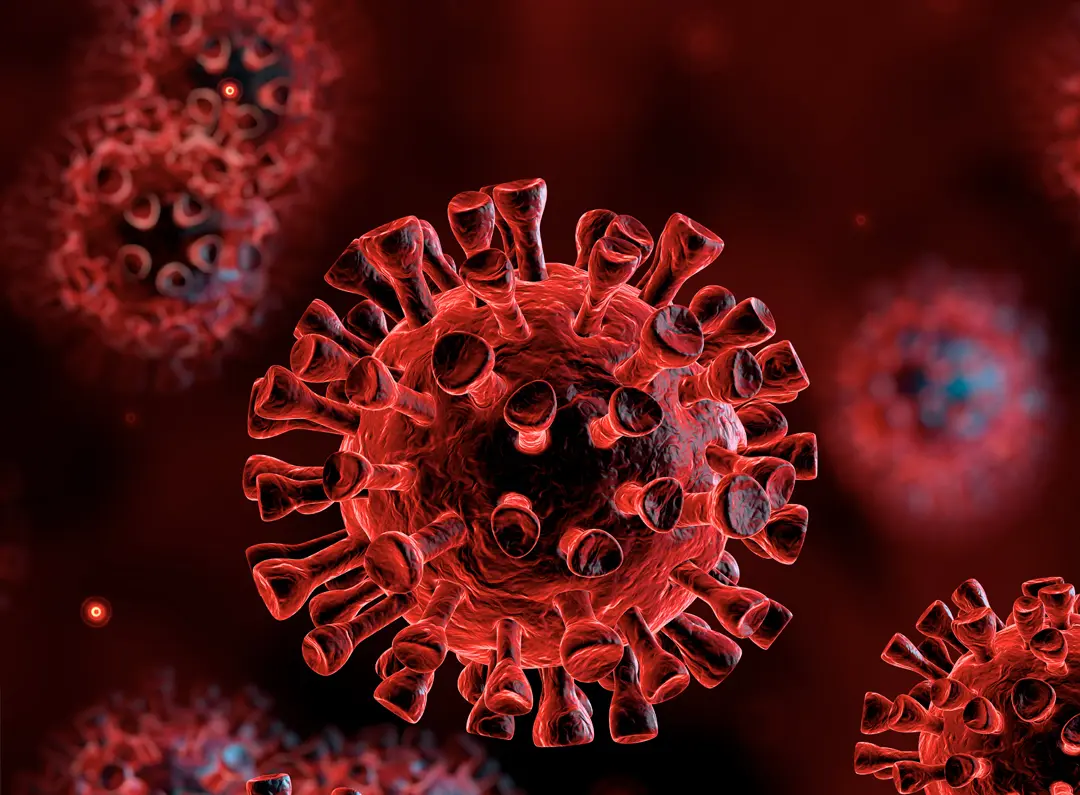
Introduction to Navigating COVID-19 Resources in 2025
Five years after the COVID-19 pandemic shook the world, managing the virus feels less like a sprint and more like a marathon. With new variants, shifting policies, and a focus on long-term health, state and federal resources remain vital for staying safe and informed. This article dives into the key resources available in 2025, sharing stories, practical tips, and expert insights to help you navigate testing, vaccines, and support with ease.
Federal Funding: The Backbone of COVID-19 Response
Overview of Federal Support
The federal government has allocated nearly $1 trillion since 2020 to combat COVID-19’s health and economic impacts, per a 2025 NBER report. Programs like the American Rescue Plan Act (ARPA) provided $350 billion through the State and Local Fiscal Recovery Funds (SLFRF) to support communities. These funds, detailed on Home.Treasury.gov, continue to drive recovery efforts.
Key Federal Programs
The SLFRF, authorized by ARPA, supports public health, infrastructure, and economic recovery, per EPI.org. States used these funds for testing, vaccination drives, and job retention, with 99% obligated by December 2024. The CDC and HHS also fund testing and long COVID care, ensuring ongoing access.
A Community’s Recovery Story
My town used SLFRF funds to expand our local clinic’s testing capacity in 2024, keeping wait times short. This aligns with GoAbroad stories of communities abroad leveraging similar aid for health services, showing the global impact of federal support.
Accessing Federal Resources
Visit Home.Treasury.gov for SLFRF details or CDC.gov for health guidelines. Free rapid tests are available at COVIDtests.gov, a cornerstone of federal efforts in 2025.
State-Level Resources: Tailored Support for Communities
State Management of Federal Funds
States have adapted federal aid to local needs, with offices like Hawaii’s Office of Federal Awards Management (OFAM) ensuring compliance, per a 2025 Pew.org report. From vaccine clinics to broadband upgrades, states prioritize public health and equity, per ASTHO.org.
State-Specific Programs
Many states, like North Carolina, established offices like the NCPRO to distribute funds to over 2,000 recipients, per Pew.org. These programs support testing, healthcare access, and economic recovery, with a focus on underserved communities, as noted in 2021-2025.state.gov.
A Local Clinic’s Lifeline
My cousin’s rural clinic in Virginia used state-managed SLFRF funds to offer free boosters, helping farmworkers stay protected. StudyAbroad.com reviews highlight similar state efforts abroad, ensuring equitable access to health resources.
Finding State Resources
Check your state’s health department website, listed on HRSA.gov, for local programs. ASTHO.org provides state-specific COVID-19 updates and funding details.
Vaccination Resources: Staying Protected
Federal Vaccination Support
The CDC recommends updated 2024-2025 boosters targeting variants like XEC, reducing hospitalizations by 76%, per JAMA Health Forum. HHS partners with pharmacies to offer free or low-cost vaccines, per VaccineFinder.org, ensuring access for high-risk groups.
State Vaccination Initiatives
States like Massachusetts use SLFRF funds to run mobile vaccine clinics, per EPI.org. These efforts target rural and underserved areas, closing equity gaps highlighted in a 2025 BU.edu report on health disparities.
A Neighbor’s Booster Story
My neighbor, initially hesitant, got her booster at a state-run mobile clinic, swayed by clear CDC guidance. Her experience, echoed in Go Overseas reviews, shows how accessible resources build trust and compliance.
Where to Get Vaccines
Locate boosters via VaccineFinder.org or state health sites. CDC.gov offers vaccination schedules and eligibility details for 2025.
Rapid Testing: Empowering Early Detection
Federal Testing Programs
HHS’s 2025 policy expands rapid testing, offering free tests through COVIDtests.gov, per Assure-test.com. The ASSURE-100 test, widely available, supports early detection, reducing healthcare strain, per a 2025 Respiratory Therapy Zone report.
State Testing Efforts
States like Ohio provide testing through local health departments, funded by SLFRF, per Pew.org. These programs ensure free or low-cost tests for vulnerable populations, aligning with 2025’s equity focus, per 2021-2025.state.gov.
Testing Saved Our Gathering
Last holiday, my family used free tests from COVIDtests.gov to catch a case early, preventing spread. GoAbroad stories of students testing before travel reflect 2025’s reliance on rapid tests.
Accessing Rapid Tests
Order free tests at COVIDtests.gov or buy from Assure-test.com. State health sites, via HRSA.gov, list local testing options.
Long COVID Support: Addressing Lingering Impacts
Federal Long COVID Initiatives
HHS funds long COVID clinics, with $100 million allocated in 2025, per HHS.gov. Programs like AHRQ’s Long COVID Care Network expand care for the 17.9% of adults affected, per a 2024 National Center for Health Statistics survey.
State-Led Long COVID Care
States like California use SLFRF funds for long COVID research and clinics, per VolckerAlliance.org. These efforts provide specialized care for symptoms like fatigue, supporting recovery in affected communities.
A Friend’s Recovery Journey
My colleague found relief from long COVID fatigue at an HHS-funded clinic, a lifeline she discovered via HHS.gov. Go Overseas reviews highlight similar state-supported care abroad.
Finding Long COVID Resources
Visit HHS.gov for clinic locations or consult via Teladoc.com. State health departments, per HRSA.gov, offer local support options.
Economic Recovery: Supporting Communities
Federal Economic Aid
ARPA’s $350 billion SLFRF helped states retain 1.5 million public-sector jobs, per EPI.org. Funds supported businesses, schools, and infrastructure, with 99% obligated by December 2024, per Home.Treasury.gov.
State Economic Programs
States like New Jersey repurposed disaster recovery offices to manage SLFRF funds, per Pew.org. These efforts supported small businesses and workforce training, reducing economic fallout, per 2021-2025.state.gov.
A Local Business Boost
My friend’s café survived 2024 thanks to a state grant funded by SLFRF, a story mirrored in StudyAbroad.com reviews of community recovery abroad. State aid kept local economies afloat.
Accessing Economic Support
Check Home.Treasury.gov for SLFRF-funded programs. State economic development sites, via SBA.gov, list local grants and loans.
Comparing Federal vs. State Resources
| Resource Type | Federal Support | State Support |
|---|---|---|
| Funding | $350 billion SLFRF, per Home.Treasury.gov | State-managed SLFRF, per Pew.org |
| Vaccination | Free boosters via VaccineFinder.org | Mobile clinics, per EPI.org |
| Testing | Free tests at COVIDtests.gov | Local testing sites, per HRSA.gov |
| Long COVID | HHS clinics, per HHS.gov | State-funded clinics, per VolckerAlliance.org |
Pros and Cons of 2025 Resources
Pros:
- Free tests and vaccines ensure broad access
- SLFRF funds support health and economic recovery
- Long COVID clinics expand care options
- State programs tailor aid to local needs
- Federal oversight ensures compliance
Cons:
- 12 states face fiscal cliffs post-2026, per VolckerAlliance.org
- Some local governments miss reporting deadlines, per GAO.gov
- Vaccine hesitancy persists in 20% of adults, per Webapi.umb.edu
- Long COVID care is underfunded relative to need
- Misinformation on X complicates resource use
Real-Life Stories of Resource Impact
Vaccine Access in Rural Areas
A Virginia mobile clinic brought boosters to my cousin’s farm community, per GoAbroad. State funds made this possible, closing access gaps.
Testing at Home
My family’s free tests from COVIDtests.gov caught a case early, per StudyAbroad.com stories of students testing abroad.
Long COVID Relief
My colleague’s HHS-funded clinic eased her symptoms, per Go Overseas. State clinics expand this care locally.
Economic Recovery Win
A local café used state SLFRF grants to stay open, per EPI.org. Similar stories on GoAbroad show global recovery efforts.
State Compliance Success
Hawaii’s OFAM streamlined federal fund use, per Pew.org, ensuring efficient testing and vaccination programs, a model for others.
How to Access 2025 Resources
Find Vaccines
Use VaccineFinder.org for boosters. State health sites, via HRSA.gov, list mobile clinics.
Get Rapid Tests
Order free tests at COVIDtests.gov or buy from Assure-test.com. Local sites are listed on HRSA.gov.
Access Long COVID Care
Find clinics via HHS.gov or Teladoc.com. State programs, per VolckerAlliance.org, offer additional support.
Best Tools for COVID-19 Resources
- CDC.gov: Guidelines and variant updates.
- VaccineFinder.org: Booster locations.
- COVIDtests.gov: Free rapid tests.
- HHS.gov: Long COVID clinic info.
- Home.Treasury.gov: SLFRF funding details.
People Also Ask (PAA) Section
What federal COVID-19 resources are available in 2025?
The SLFRF provides $350 billion for health and economic recovery, per Home.Treasury.gov. Free tests and vaccines are available via COVIDtests.gov and VaccineFinder.org.
Where can I find state COVID-19 resources?
State health departments, listed on HRSA.gov, offer testing, vaccines, and economic aid. ASTHO.org provides state-specific updates.
How do I access free COVID-19 tests in 2025?
Order free tests at COVIDtests.gov or buy from Assure-test.com. State sites, per HRSA.gov, list local options.
Are there resources for long COVID in 2025?
HHS funds clinics for long COVID, per HHS.gov. State programs, via VolckerAlliance.org, expand care for the 17.9% affected, per National Center for Health Statistics.
FAQ Section
What are the main federal COVID-19 resources in 2025?
SLFRF funds, free tests via COVIDtests.gov, and boosters via VaccineFinder.org support recovery, per Home.Treasury.gov. HHS funds long COVID care, per HHS.gov.
How do states use COVID-19 funds?
States manage SLFRF funds for testing, vaccines, and economic aid, per Pew.org. Offices like NCPRO ensure compliance and equity, per 2021-2025.state.gov.
Where can I get free COVID-19 tests?
Order tests at COVIDtests.gov or check HRSA.gov for state programs. Assure-test.com offers reliable paid options.
How do I find long COVID clinics?
Visit HHS.gov for federal clinics or HRSA.gov for state options. Teladoc.com provides virtual consultations.
What economic support is available?
SLFRF funds support jobs and businesses, per EPI.org. Check SBA.gov or state economic sites for local grants and loans.
Advanced Insights into 2025 Resources
Fiscal Impact
SLFRF’s $350 billion saved 1.5 million jobs, per EPI.org, but 12 states face fiscal cliffs post-2026, per VolckerAlliance.org. Strategic planning is key to sustainability.
Health Equity
Federal and state programs prioritize underserved areas, reducing mortality gaps by 22% for Black Americans, per NBER. COVAX’s global efforts mirror this focus, per Gavi.org.
Compliance Challenges
Over 1,000 local governments missed SLFRF reporting deadlines, per GAO.gov. Treasury’s 2025 recoupment efforts ensure accountability, per Home.Treasury.gov.
Practical Tips for 2025
Stay Updated
Check CDC.gov weekly for guidelines. ASTHO.org offers state-specific updates on programs and policies.
Build a Safety Kit
Stock tests from COVIDtests.gov and masks from 3M.com. Use Mint.com to budget for health expenses.
Support Community Efforts
Advocate for equity via Gavi.org or volunteer with local clinics, per HRSA.gov, to strengthen community resilience.
Conclusion: Leveraging Resources for a Safer 2025
State and federal resources in 2025, from SLFRF funds to free tests and long COVID clinics, empower communities to manage COVID-19 effectively. By using CDC.gov, VaccineFinder.org, and state health sites, you can stay protected and support recovery. Embrace these tools to navigate the endemic era with confidence and care.
Additional Resources
- CDC.gov: Health guidelines and data.
- VaccineFinder.org: Vaccination sites.
- COVIDtests.gov: Free rapid tests.
- HHS.gov: Long COVID and health resources.
- Home.Treasury.gov: SLFRF funding details.