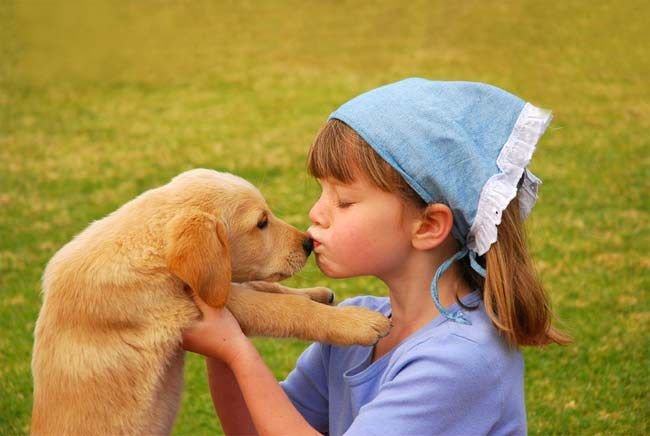
Introduction to the Human-Animal Connection
Picture this: a prehistoric human tossing a scrap of meat to a curious wolf, unaware that this small act might change the course of humanity. Caring for animals has deep roots in our evolutionary story, influencing not just our survival but our emotions, social structures, and even our brains. This article explores how our bond with animals shaped who we are today, blending science, history, and a touch of wonder.
The Dawn of the Human-Animal Bond
Early Interactions with Animals
Long before Netflix and chill, early humans were sharing campfires with animals. Archaeological evidence from sites like Chauvet Cave in France, dating back 30,000 years, shows humans and animals coexisting closely. These early interactions weren’t just about hunting; they laid the groundwork for companionship and mutual survival.
The Domestication Revolution
Around 15,000 years ago, humans began domesticating wolves, turning them into the dogs we know today. This wasn’t a one-way street—animals shaped us as much as we shaped them. The domestication process, seen in sites like Göbekli Tepe, suggests humans developed patience and empathy while taming animals.
Mutual Survival Strategies
Humans and animals formed a pact for survival. Wolves helped humans hunt, while humans offered food and protection. This symbiosis, evident in ancient burial sites where dogs were buried alongside humans, fostered trust and cooperation, traits that became hallmarks of human society.
How Animals Influenced Human Biology
Brain Changes from Animal Care
Caring for animals may have rewired our brains. A 2014 study in Nature Communications suggests that nurturing animals boosted oxytocin levels, enhancing our capacity for empathy. This hormonal shift likely strengthened social bonds, making early human groups more cohesive.
The Role of Oxytocin in Bonding
Oxytocin, the “cuddle hormone,” surges when we interact with animals. Research from Science (2015) shows that gazing into a dog’s eyes triggers oxytocin in both species, mirroring the bond between human parents and children. This chemical connection likely drove our ancestors to prioritize animal care.
Genetic Adaptations from Domestication
Domestication left its mark on our genes. A 2017 study in Genetics found that humans who lived with domesticated animals developed genetic traits for better stress regulation. These adaptations helped our ancestors thrive in challenging environments alongside their animal allies.
Social and Cultural Impacts of Animal Care
Building Community Through Animals
Animals weren’t just pets—they were social glue. In ancient tribes, shared responsibilities like herding or hunting with animals fostered teamwork. Evidence from Neolithic sites shows communal rituals involving animals, suggesting they strengthened group identity.
Animals in Early Rituals and Beliefs
Animals held spiritual significance in early cultures. Cave paintings and totems from 20,000 years ago depict animals as sacred, guiding human beliefs. Caring for these creatures likely deepened our ancestors’ sense of purpose, embedding animals in our cultural DNA.
Language and Communication Skills
Interacting with animals honed our nonverbal communication. Early humans learned to read animal cues—like a wolf’s growl or a horse’s stance—sharpening their ability to communicate without words. This skill, noted in Journal of Anthropological Research (2019), likely boosted early language development.
Psychological Benefits of Animal Care
Empathy and Emotional Intelligence
Caring for animals made us more empathetic. A 2020 study in Anthrozoös found that people who nurture animals score higher on emotional intelligence tests. Early humans who cared for animals likely developed stronger interpersonal skills, aiding group survival.
Stress Reduction and Mental Health
Animals were ancient stress-busters. Interacting with them lowered cortisol levels, as shown in a 2018 Frontiers in Psychology study. For our ancestors, time spent with animals offered a mental break from survival pressures, fostering resilience.
Sense of Purpose and Responsibility
Raising animals gave early humans a sense of purpose. Feeding, protecting, and training animals required dedication, building traits like responsibility. These qualities, evident in ancient pastoral societies, helped shape structured communities.
Comparing Animal-Caring Societies vs. Non-Animal-Caring Societies
| Aspect | Animal-Caring Societies | Non-Animal-Caring Societies |
|---|---|---|
| Social Cohesion | Stronger due to shared animal responsibilities | Weaker; less communal bonding |
| Empathy Levels | Higher; driven by animal care | Lower; less exposure to nurturing roles |
| Survival Skills | Enhanced by animal partnerships | Reliant on human-only strategies |
| Cultural Development | Richer; animals in rituals and art | Less focus on animal-inspired traditions |
Pros and Cons of Animal Care in Evolution
Pros:
- Enhanced empathy and social bonding
- Improved mental and physical health
- Better survival through animal partnerships
- Cultural richness from animal-inspired traditions
Cons:
- Resource demands (food, time for animals)
- Risk of zoonotic diseases
- Potential conflicts with wild animals
- Emotional strain from animal loss
Challenges of Early Animal Care
Resource Competition
Caring for animals wasn’t all cuddles. Early humans competed with animals for food and space, as noted in Journal of Archaeological Science (2016). Balancing these resources required ingenuity, shaping problem-solving skills that defined human evolution.
Risk of Zoonotic Diseases
Close contact with animals brought health risks. Early humans faced diseases like rabies, which influenced their immune systems. A 2019 Nature study suggests that exposure to animal pathogens drove genetic adaptations for disease resistance.
Emotional Bonds and Loss
Losing an animal companion hit hard, even 10,000 years ago. Burial sites with dogs show early humans mourned their animals, suggesting emotional bonds. This grief likely deepened our capacity for complex emotions like love and loss.
How to Explore This Connection Today
Adopting a Pet
Want to tap into your evolutionary roots? Adopting a pet is a great start. Shelters like the ASPCA offer countless animals needing homes. Choose a pet that fits your lifestyle—dogs for active folks, cats for low-key vibes.
Volunteering with Animals
If owning a pet isn’t an option, volunteer at a local shelter. Sites like VolunteerMatch connect you with opportunities to walk dogs or care for wildlife, letting you experience the human-animal bond firsthand.
Supporting Conservation Efforts
Channel your inner ancestor by supporting animal conservation. Organizations like the World Wildlife Fund protect species that shaped our evolution. Donations or advocacy can make a global impact.
Best Tools for Animal Lovers
- Petfinder.com: Find adoptable pets by breed or location.
- Rover.com: Book pet sitters or walkers for busy days.
- Wildlife Conservation Society: Support global animal protection efforts.
- ASPCA Mobile App: Access resources for pet care and advocacy.
People Also Ask (PAA) Section
How did animals influence human evolution?
Animals shaped human evolution by fostering empathy, social bonds, and survival skills. Domestication, like that of dogs, enhanced cooperation and communication, while caring for animals boosted oxytocin, strengthening emotional intelligence.
Why did early humans domesticate animals?
Early humans domesticated animals for survival advantages, like hunting aid from wolves or milk from goats. This mutual benefit, seen in archaeological records, built trust and shaped social structures.
How do animals affect human behavior?
Animals promote empathy, reduce stress, and enhance communication skills. Studies, like those in Anthrozoös (2020), show that animal interactions improve emotional intelligence and mental health, echoing evolutionary patterns.
What is the human-animal bond?
The human-animal bond is a mutual, emotional connection rooted in biology and evolution. Oxytocin release during interactions, as noted in Science (2015), fosters trust and companionship, shaping human behavior.
FAQ Section
How did caring for animals shape human emotions?
Caring for animals boosted oxytocin and empathy, as shown in Nature Communications (2014). These emotional changes helped early humans form stronger social bonds, enhancing group survival and cooperation.
Did animals influence human intelligence?
Yes, interacting with animals likely sharpened cognitive skills. Reading animal cues and managing their needs, as noted in Scientific Reports (2018), improved early humans’ attention, memory, and problem-solving abilities.
What animals had the biggest impact on human evolution?
Dogs, domesticated from wolves around 15,000 years ago, had a massive impact. They aided hunting and protection, while other animals like goats and cattle, domesticated later, supported agriculture and survival.
How can I connect with animals like our ancestors did?
Adopt a pet, volunteer at shelters, or support conservation efforts. Platforms like Petfinder or WWF offer ways to build meaningful animal connections.
Are there risks to caring for animals today?
Modern risks include financial costs (vet bills, food) and time commitments. Like our ancestors, we face emotional loss, but pet insurance and support groups, like those from the ASPCA, can help.
Advanced Insights into the Human-Animal Bond
The Biophilia Hypothesis
E.O. Wilson’s biophilia hypothesis suggests humans evolved an innate love for nature and animals. This drive, seen in ancient art and rituals, likely pushed early humans to care for animals, shaping our emotional and cultural evolution.
Attachment Theory and Animals
Attachment theory explains why animals became “family” for early humans. Pets provided a secure base, offering comfort and stability. This bond, studied in Journal of Social and Personal Relationships (2021), mirrors modern pet-owner dynamics.
Cognitive Evolution Through Animal Care
Caring for animals required planning and foresight, boosting cognitive development. A 2017 Nature study suggests that managing herds or training animals honed executive functions like decision-making, influencing human intelligence.
Practical Tips for Modern Animal Care
Creating an Animal-Friendly Home
Make your space safe with non-toxic plants and secure areas. Provide cozy bedding for pets or habitats for smaller animals like birds. This echoes how early humans created safe spaces for their animal companions.
Budgeting for Animal Care
Set a monthly budget for food, vet care, and supplies. Apps like Mint help track expenses, while pet insurance can ease unexpected costs, much like early humans planned for animal resources.
Bonding Through Activities
Engage animals with play or training, like fetch for dogs or toys for cats. These activities mirror ancient practices of working with animals, strengthening bonds and tapping into our evolutionary instincts.
Conclusion: Our Animal-Shaped Legacy
Caring for animals didn’t just help our ancestors survive—it made us human. From sharpening our empathy to strengthening our communities, the human-animal bond shaped our biology, culture, and hearts. Today, whether you’re adopting a pet or supporting conservation, you’re continuing a legacy that began millennia ago. So, next time you pet your dog or feed a stray, remember: you’re part of an evolutionary love story.
Additional Resources
- ASPCA: Pet adoption and welfare resources.
- Petfinder: Find your next furry friend.
- World Wildlife Fund: Support global conservation.
- National Geographic: Explore human-animal history.