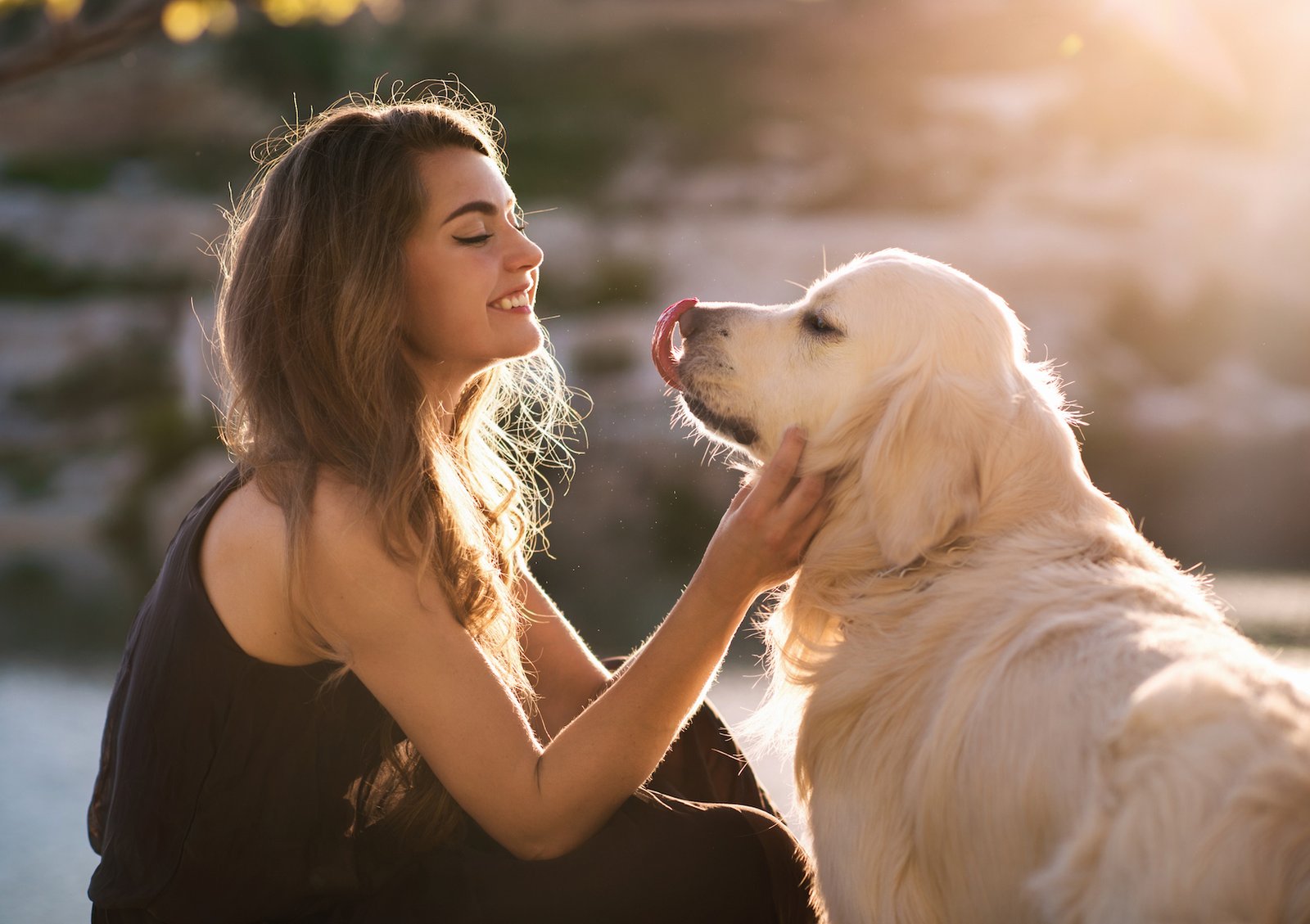
Introduction to the Bond with Animals
Have you ever caught yourself smiling at a dog wagging its tail or felt your heart melt watching a cat nap in a sunbeam? If so, you’re not alone. The psychology of animal lovers reveals a deep, often instinctual connection between humans and animals, rooted in biology, emotion, and social behavior. This article dives into why some of us are irresistibly drawn to animals, exploring the science, emotions, and practical ways to nurture this bond.
What Drives Our Love for Animals?
Evolutionary Roots of Animal Affection
Our affection for animals isn’t just a modern quirk—it’s wired into our DNA. Early humans relied on animals for survival, whether as hunting partners or protectors. This co-evolution fostered a sense of trust and companionship. Today, that ancient bond manifests as a love for pets, driven by our brain’s reward system, which releases dopamine when we interact with animals.
The Role of Oxytocin in Bonding
Ever wonder why petting a dog feels so good? Blame oxytocin, the “love hormone.” Studies show that interacting with animals, like stroking a cat or playing fetch, boosts oxytocin levels in both humans and animals. This chemical reaction creates a feedback loop of affection, making us feel connected and calm. It’s no surprise that animal lovers often describe their pets as family.
Empathy and Emotional Connection
Animal lovers tend to score high on empathy scales. Psychologists suggest that people who feel deeply for animals often extend that compassion to humans, too. This empathy drives us to rescue stray animals or cry during those heart-wrenching pet adoption commercials. Our ability to read animals’ emotions—those pleading puppy eyes—strengthens this bond.
Psychological Traits of Animal Lovers
High Empathy and Compassion
Animal lovers often display heightened empathy, a trait linked to nurturing behaviors. Research from the Greater Good Science Center at UC Berkeley shows that people who care for animals are more likely to volunteer or help others. This compassion makes them attuned to animals’ needs, from a hungry stray to a stressed-out pet.
Need for Companionship
Humans are social creatures, and animals fill a unique role in our lives. A 2019 study in Anthrozoös found that pet owners report lower levels of loneliness compared to non-pet owners. Whether it’s a dog curling up beside you or a parakeet chirping happily, animals provide companionship that feels unconditional.
Sensitivity to Nonverbal Communication
Animal lovers are often skilled at reading nonverbal cues. Since animals can’t speak, their fans become experts at interpreting body language—like a cat’s slow blink or a horse’s ear flick. This sensitivity translates to better interpersonal skills, as animal lovers pick up on subtle human cues, too.
Why Some People Love Animals More Than Others
Personality Types and Animal Affinity
Not everyone goes gaga over a puppy. Personality traits like openness and agreeableness, as defined by the Big Five personality model, correlate with a stronger affinity for animals. Introverts, for example, may find animals less demanding than human relationships, while extroverts might love the social bridge pets provide.
Childhood Experiences with Pets
Growing up with pets can shape a lifelong love for animals. A 2020 study in Journal of Applied Developmental Psychology found that children with pets develop stronger emotional regulation and empathy. If your first best friend was a hamster named Fluffy, you’re likely wired to adore animals as an adult.
Cultural Influences on Animal Love
Cultural attitudes toward animals vary widely. In Western countries, pets are often seen as family members, while in some Eastern cultures, animals may hold spiritual significance. These cultural lenses shape how we express our love for animals, whether through pampering a pet or advocating for wildlife conservation.
Benefits of Being an Animal Lover
Mental Health Boost
Interacting with animals can reduce stress and anxiety. A 2015 study in Frontiers in Psychology found that pet owners had lower cortisol levels after playing with their animals. Whether it’s a quick cuddle with a rabbit or a walk with a dog, animals help us unwind in a chaotic world.
Physical Health Perks
Animal lovers often lead healthier lives. Dog owners, for instance, walk an average of 22 minutes more per day than non-owners, according to a 2017 study in Scientific Reports. This extra activity can lower blood pressure and improve cardiovascular health. Plus, who can resist those eager eyes begging for a stroll?
Social and Emotional Growth
Pets teach us responsibility and patience. Caring for an animal—feeding, grooming, or training—builds life skills that spill over into human relationships. Animal lovers often report feeling more fulfilled, as their pets provide a sense of purpose and unconditional love.
Challenges of Being an Animal Lover
Emotional Toll of Loss
Losing a pet can feel like losing a family member. The grief is real, and animal lovers may struggle with anticipatory anxiety about their pet’s health. Support groups, like those offered by the ASPCA, can help navigate this emotional rollercoaster.
Financial and Time Commitment
Pets aren’t cheap. From vet bills to premium kibble, the costs add up. According to the American Pet Products Association, Americans spent $136 billion on pets in 2022. Time-wise, animals demand daily care, which can challenge even the most devoted animal lover’s schedule.
Social Stigma
Not everyone gets the animal lover’s obsession. Some may roll their eyes at your 50th dog photo or question why you’d spend thousands on a pet’s surgery. This judgment can sting, but connecting with fellow animal lovers online or in local communities can ease the sting.
Comparison: Animal Lovers vs. Non-Animal Lovers
| Trait | Animal Lovers | Non-Animal Lovers |
|---|---|---|
| Empathy | High; sensitive to animal and human emotions | Moderate; less attuned to animal cues |
| Social Needs | Fulfilled by animal companionship | Rely more on human interactions |
| Stress Levels | Lower due to animal interactions | May lack stress-reducing pet benefits |
| Physical Activity | Often higher (e.g., dog walking) | May be less active without pet motivation |
Pros and Cons of Being an Animal Lover
Pros:
- Enhanced mental health through stress reduction
- Increased physical activity, especially for dog owners
- Stronger empathy and emotional intelligence
- Companionship that reduces loneliness
Cons:
- Emotional pain from pet loss
- Significant financial and time investment
- Potential social judgment from non-animal lovers
- Allergies or space constraints for some
How Animal Lovers Can Nurture Their Passion
Adopting a Pet
Ready to welcome a furry friend? Adoption is a great start. Shelters like the Humane Society offer countless animals waiting for a home. Research breeds to find one that fits your lifestyle—energetic dogs for active folks or low-maintenance cats for busy schedules.
Volunteering at Shelters
If owning a pet isn’t feasible, volunteering at a local shelter lets you shower animals with love. Tasks like walking dogs or socializing cats provide the same oxytocin boost without the long-term commitment. Check out sites like VolunteerMatch.org for opportunities near you.
Advocating for Animal Welfare
Animal lovers can make a broader impact by supporting organizations like PETA or the World Wildlife Fund. Whether donating, signing petitions, or spreading awareness, advocacy channels your passion into meaningful change.
Best Tools for Animal Lovers
- Petfinder.com: Find adoptable pets by breed, location, or specific needs.
- Rover.com: Book trusted pet sitters or dog walkers for busy days.
- PetMD: Access vet-approved health advice for your pet’s well-being.
- ASPCA Mobile App: Report animal cruelty or find pet-friendly resources.
People Also Ask (PAA) Section
Why are some people obsessed with animals?
Some people are drawn to animals due to high empathy, childhood experiences with pets, or a natural inclination toward nurturing. The oxytocin release from animal interactions reinforces this obsession, making it feel rewarding and instinctive.
What does loving animals say about a person?
Loving animals often indicates high empathy, compassion, and sensitivity to nonverbal cues. Studies, like those from Anthrozoös, show animal lovers tend to be more altruistic and emotionally intelligent, traits that extend to human relationships.
Is it normal to love animals more than humans?
Yes, it’s normal for some to feel a stronger connection to animals, especially if they find human relationships complex or draining. Animals offer unconditional love, which can feel safer and more predictable than human interactions.
How do animals affect mental health?
Animals,arrayInteracting with animals reduces stress and boosts oxytocin, lowering anxiety and depression. A 2015 study in Frontiers in Psychology found pet owners report better mental health outcomes, especially during stressful times.
FAQ Section
Why do animal lovers feel such a strong bond with their pets?
Animal lovers form strong bonds due to oxytocin release during interactions, which fosters feelings of love and trust. This chemical response, combined with animals’ unconditional affection, creates a deep emotional connection.
Can loving animals improve your health?
Yes, loving animals can boost both mental and physical health. Petting animals lowers cortisol levels, reducing stress, while activities like dog walking increase physical exercise, improving cardiovascular health.
How can animal lovers deal with pet loss?
Coping with pet loss involves acknowledging grief and seeking support. Joining pet loss support groups, like those offered by the ASPCA, or creating a memorial, such as a photo album, can help process the emotional pain.
What are the best ways to connect with other animal lovers?
Join online communities on platforms like Reddit’s r/Pets or local animal lover meetups through Meetup.com. Volunteering at shelters or attending pet adoption events also fosters connections with like-minded people.
Are there downsides to being an animal lover?
Downsides include the emotional toll of pet loss, financial costs (vet bills, food), and time commitment. Social stigma from non-animal lovers can also be a challenge, but finding a supportive community helps.
Advanced Psychological Insights
The Biophilia Hypothesis
The biophilia hypothesis, proposed by E.O. Wilson, suggests humans have an innate tendency to connect with nature and animals. This explains why animal lovers feel a profound sense of fulfillment from their bond with creatures, as it taps into a primal instinct.
Attachment Theory and Pets
Attachment theory, often applied to human relationships, also explains our bond with animals. Pets can serve as “secure bases,” providing comfort and stability. This is why animal lovers often describe their pets as anchors during tough times.
Cognitive Benefits of Animal Interaction
Interacting with animals can sharpen cognitive skills. A 2018 study in Scientific Reports found that pet owners showed improved attention and memory, possibly due to the mental engagement of caring for animals.
Practical Tips for Animal Lovers
Creating a Pet-Friendly Home
Make your space safe and cozy for pets. Use non-toxic plants, secure cords, and provide comfy bedding. For cats, a scratching post is a must; for dogs, a designated play area keeps them happy.
Budgeting for Pet Care
Plan for pet expenses by setting aside a monthly budget for food, vet visits, and supplies. Consider pet insurance to offset unexpected costs. Apps like Mint can help track pet-related spending.
Training and Bonding Activities
Training strengthens your bond with pets. Use positive reinforcement techniques, like treats for good behavior. Activities like agility courses or puzzle toys keep pets mentally stimulated and deepen your connection.
Conclusion: Embracing the Animal Lover’s Life
Being an animal lover is more than a hobby—it’s a way of life rooted in psychology, biology, and emotion. From the oxytocin rush of petting a dog to the empathy built through caring for animals, this bond enriches our lives. Whether you’re adopting a pet, volunteering, or advocating for animal welfare, your love for animals reflects a deep, human connection to the natural world. So, go ahead—give your furry friend an extra treat today. They’ve earned it, and so have you.
Additional Resources
- ASPCA: Resources for pet adoption and animal welfare.
- Petfinder: Find adoptable pets near you.
- The Humane Society: Volunteer opportunities and advocacy tips.
- Psychology Today: Articles on the human-animal bond.