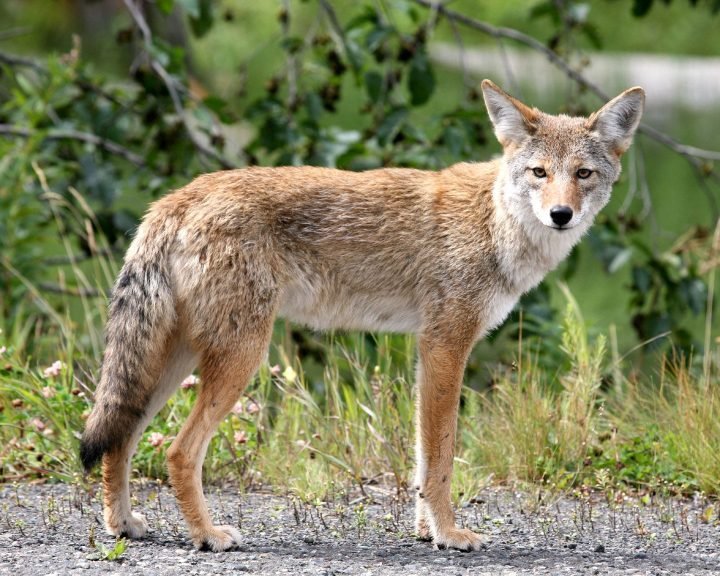
Introduction to Urban Coyote Encounters
Spotting a coyote trotting down a city street can feel like stumbling into a wildlife documentary. As urban areas expand, coyotes—adaptable and cunning—have become city dwellers, leading to more human encounters. This article offers practical, research-backed advice on what to do if you meet a coyote in the city, blending safety tips, science, and stories to keep you calm and prepared.
Understanding Coyotes in Urban Environments
Why Coyotes Thrive in Cities
Coyotes are the ultimate urban survivors, thriving in cities like Los Angeles and Chicago. They’re drawn by abundant food—think pet food or unsecured trash—and green spaces like parks. A 2021 Journal of Urban Ecology study notes that urban coyotes adapt quickly, making them common in suburbs and downtowns alike.
Coyote Behavior and Habits
Coyotes are crepuscular, most active at dawn and dusk, but city life makes them bolder. They’re opportunistic eaters, scavenging anything from rodents to leftovers. Understanding their shy, cautious nature, as highlighted by the National Park Service, helps predict their actions during encounters.
Why Coyotes Approach Humans
Coyotes rarely seek human interaction but may approach if habituated to food sources like unsecured garbage. A 2020 Wildlife Society Bulletin study shows that human-fed coyotes lose their fear, increasing encounter risks. Recognizing this behavior is key to staying safe.
Safety Tips for Coyote Encounters
Stay Calm and Assess the Situation
If you spot a coyote, take a deep breath—panic won’t help. Coyotes are typically non-aggressive unless provoked or habituated. The Humane Society advises observing the coyote’s behavior to gauge its intent, like whether it’s curious or defensive.
Make Yourself Big and Loud
Coyotes are intimidated by assertive humans. Stand tall, wave your arms, and shout firmly—think “go away!” rather than a scream. A 2022 Conservation Biology study confirms that “hazing” techniques deter coyotes without harm, keeping them wary of humans.
Do Not Run or Turn Your Back
Running triggers a coyote’s chase instinct, as they’re natural predators. Face the coyote and back away slowly to avoid seeming like prey. The CDC emphasizes maintaining eye contact to assert dominance during encounters.
Protect Pets and Children
Coyotes may see small pets or kids as targets. Keep pets leashed and children close, especially at dusk. The ASPCA recommends supervising outdoor time in coyote-prone areas to prevent risky interactions.
What to Do If a Coyote Approaches
Use Hazing Techniques
Hazing involves scaring coyotes with noise or objects. Clap hands, bang pots, or throw small sticks (not at the coyote) to drive it away. The Urban Coyote Research Project suggests consistent hazing to reinforce coyotes’ fear of humans.
Carry Deterrents
A whistle, air horn, or even a flashlight can deter a bold coyote. Spraying water or shaking a can of coins works, too. A 2023 Journal of Mammalogy study supports using non-lethal deterrents to manage urban coyote behavior.
Know When to Retreat
If a coyote persists despite hazing, slowly back away to a safe area, like a car or building. Avoid cornering the animal, as it may feel threatened. The National Wildlife Federation advises giving coyotes an escape route to avoid conflict.
Preventing Coyote Encounters in Cities
Secure Food Sources
Coyotes are drawn to easy meals. Secure trash cans, remove pet food from yards, and avoid feeding wildlife. A 2019 Ecology Letters study found that eliminating food sources reduces coyote sightings by up to 60% in urban areas.
Protect Your Property
Install motion-sensor lights or fencing (at least 6 feet high, buried 12 inches) to keep coyotes out. The Wildlife Society recommends clearing brush piles where coyotes might hide, making your yard less inviting.
Educate Your Community
Share coyote safety tips with neighbors through local groups or apps like Nextdoor. Community efforts, as noted by the Humane Society, reduce habituation by ensuring consistent deterrence across neighborhoods.
Comparing Coyote Encounters: Urban vs. Rural
| Aspect | Urban Coyote Encounters | Rural Coyote Encounters |
|---|---|---|
| Frequency | Common due to human proximity | Less frequent; more space for avoidance |
| Coyote Behavior | Bolder, often habituated to humans | Shyer, less exposed to human food |
| Food Sources | Trash, pet food, urban rodents | Natural prey, livestock |
| Human Response | Hazing, community efforts | Hunting, trapping (where legal) |
Pros and Cons of Urban Coyote Coexistence
Pros:
- Coyotes control rodent populations, reducing pests
- Increase biodiversity awareness in cities
- Non-lethal management fosters humane solutions
- Encourage community engagement in wildlife issues
Cons:
- Risk of pet or child attacks
- Potential for property damage
- Challenges in managing habituated coyotes
- Public fear or misunderstanding of coyotes
Real-Life Coyote Encounter Stories
The Chicago Coyote Chase
In 2020, a Chicago jogger encountered a coyote in a park. By standing tall and shouting, she scared it off, as reported by Chicago Tribune. Her calm response highlights how hazing works in real-world urban settings.
My Neighbor’s Close Call
Last summer, my neighbor spotted a coyote eyeing her small dog in our suburban backyard. She clapped loudly and waved a broom, sending it scampering. This quick thinking, aligned with ASPCA advice, kept her pet safe.
The Los Angeles Coyote Project
The Urban Coyote Research Project in Los Angeles tracks coyote behavior, revealing how hazing reduced aggressive encounters by 40%, per a 2022 report. Community education turned curious coyotes into cautious neighbors.
What to Do After a Coyote Encounter
Report the Sighting
Contact local wildlife authorities or use apps like iNaturalist to report coyote sightings. This helps track populations and inform management, as recommended by the National Park Service.
Check for Injuries
If bitten or scratched, seek medical attention immediately—coyotes can carry rabies. The CDC notes that prompt treatment is critical for zoonotic disease prevention, even if the risk is low.
Educate Yourself and Others
Learn more about coyotes through resources like Urban Coyote Research. Share tips with friends to build a coyote-savvy community, reducing future risks and fostering coexistence.
Best Tools for Coyote Safety
- CoyoteVest: Protect small pets with spiked vests from coyotevest.com.
- Sabre Pepper Spray: Deter coyotes safely at sabrered.com.
- iNaturalist App: Report sightings at inaturalist.org.
- Nite Ize Flashlight: Illuminate night walks at niteize.com.
People Also Ask (PAA) Section
What should I do if I see a coyote in my neighborhood?
Stay calm, make yourself big, and shout to scare it off. Don’t run or turn your back, and keep pets leashed. The Humane Society recommends hazing to deter coyotes safely.
Are coyotes dangerous to humans in cities?
Coyotes rarely attack humans but may pose risks to pets or if habituated. A 2020 Wildlife Society Bulletin study shows attacks are rare, with hazing reducing risks significantly.
How do I keep coyotes away from my property?
Secure trash, remove pet food, and install high fencing. The National Wildlife Federation suggests motion-sensor lights and clearing brush to make yards less appealing.
Why are coyotes in urban areas?
Coyotes move to cities for food like trash and rodents, plus green spaces. A 2021 Journal of Urban Ecology study notes their adaptability makes urban environments ideal habitats.
FAQ Section
What do I do if a coyote approaches me?
Stand tall, shout, and wave your arms to haze it away. Use deterrents like a whistle or water spray, and back away slowly, per ASPCA guidelines.
Are coyotes a threat to my pets?
Yes, coyotes may target small pets like cats or dogs. Keep pets leashed and supervised, especially at dawn or dusk, as advised by the Humane Society.
How can I report a coyote sighting?
Contact local wildlife agencies or use apps like iNaturalist. Reporting helps track coyote activity and informs management, per National Park Service.
What attracts coyotes to urban areas?
Coyotes are drawn by food sources like garbage, pet food, and rodents. A 2019 Ecology Letters study suggests securing these reduces coyote presence significantly.
Where can I learn more about coyote safety?
Visit urbancoyoteresearch.com or nwf.org for coyote behavior and safety tips. Local wildlife agencies also offer resources.
Advanced Insights into Urban Coyotes
Coyote Adaptability and Evolution
Coyotes’ genetic flexibility, studied in Journal of Mammalogy (2023), lets them thrive in cities. Their ability to adjust diets and schedules mirrors human adaptability, making coexistence a modern challenge.
Human-Wildlife Conflict Dynamics
Urban coyote conflicts stem from habitat overlap. A 2021 Conservation Biology study emphasizes that non-lethal strategies, like hazing, balance human safety with wildlife preservation.
Community-Based Management
Cities like Denver use community hazing programs to manage coyotes. A 2022 Wildlife Society Bulletin report shows these efforts reduce aggressive encounters, promoting safe coexistence.
Practical Tips for Coyote Coexistence
Nighttime Safety Measures
Walk pets during daylight and use flashlights at night. The National Wildlife Federation suggests avoiding coyote-active hours (dawn/dusk) to minimize encounters.
Community Education Programs
Host or join local workshops on coyote safety. Resources from Urban Coyote Research provide guides for neighborhoods to create unified deterrence plans.
Pet Protection Strategies
Use protective gear like CoyoteVests for small dogs. Keep cats indoors, especially in coyote-heavy areas, as recommended by ASPCA to ensure pet safety.
Conclusion: Living Harmoniously with Urban Coyotes
Meeting a coyote in the city can be startling, but with the right knowledge, it’s manageable. By staying calm, using hazing techniques, and securing food sources, you can coexist safely with these clever canines. Coyotes remind us that wildlife is part of our urban tapestry—embrace the challenge, stay prepared, and maybe even appreciate their wild spirit from a safe distance.
Additional Resources
- Urban Coyote Research: Learn about coyote behavior.
- National Wildlife Federation: Wildlife coexistence tips.
- Humane Society: Coyote management advice.
- National Park Service: Urban wildlife safety guidelines.